Razed Path Through Joplin
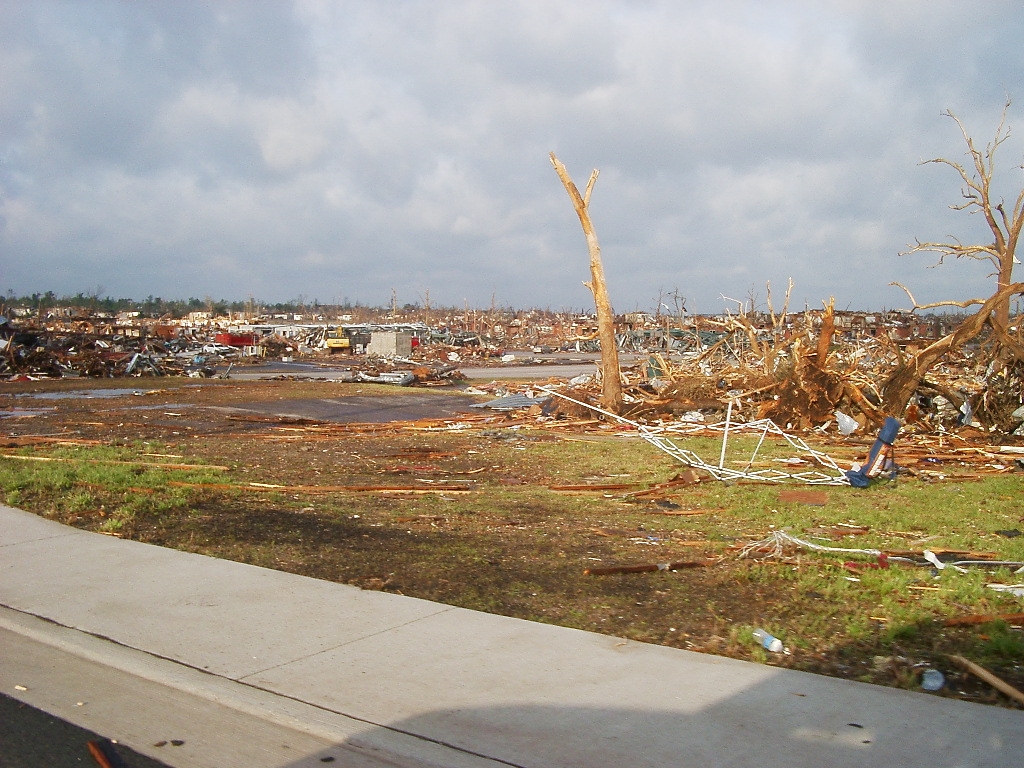
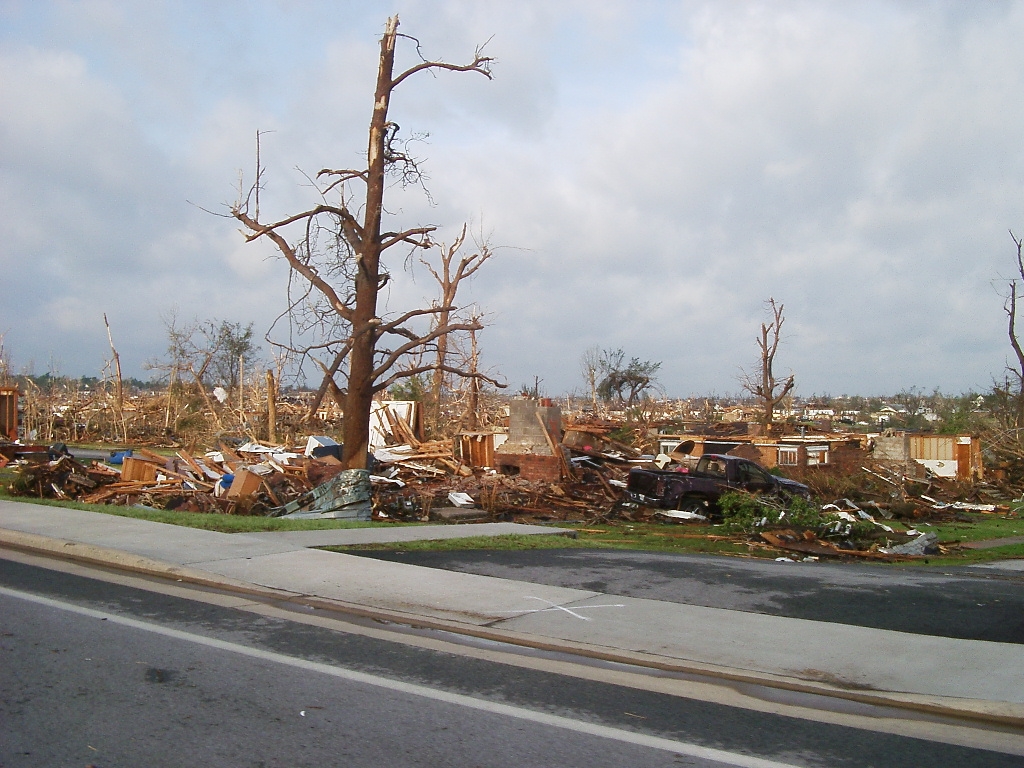
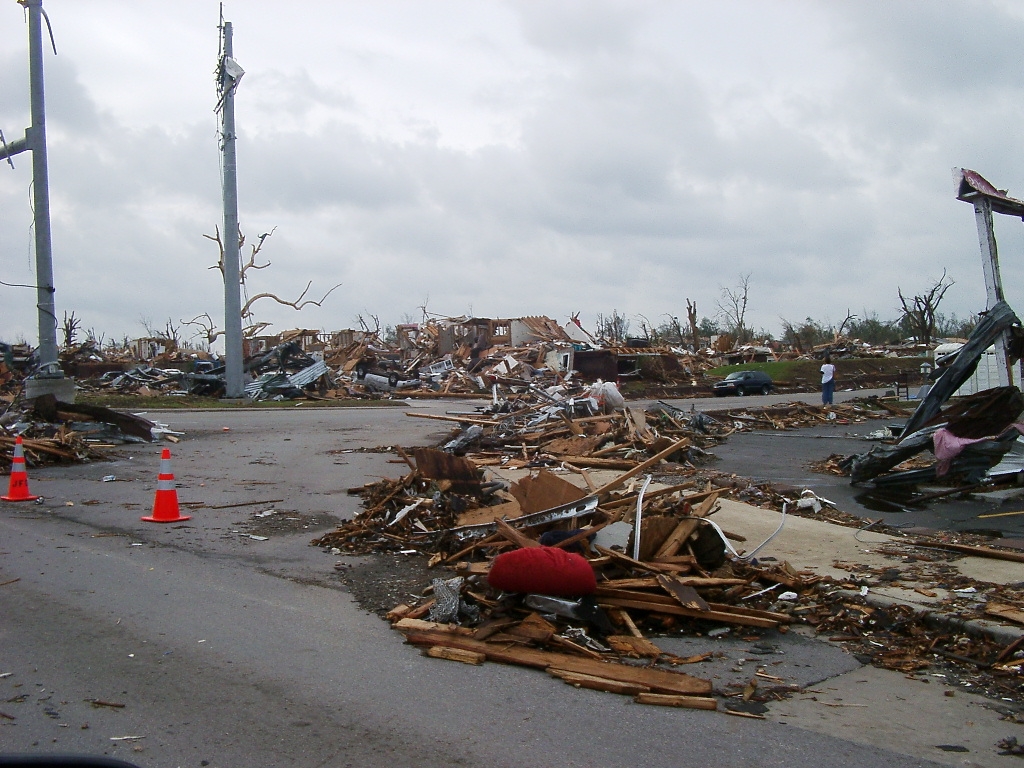
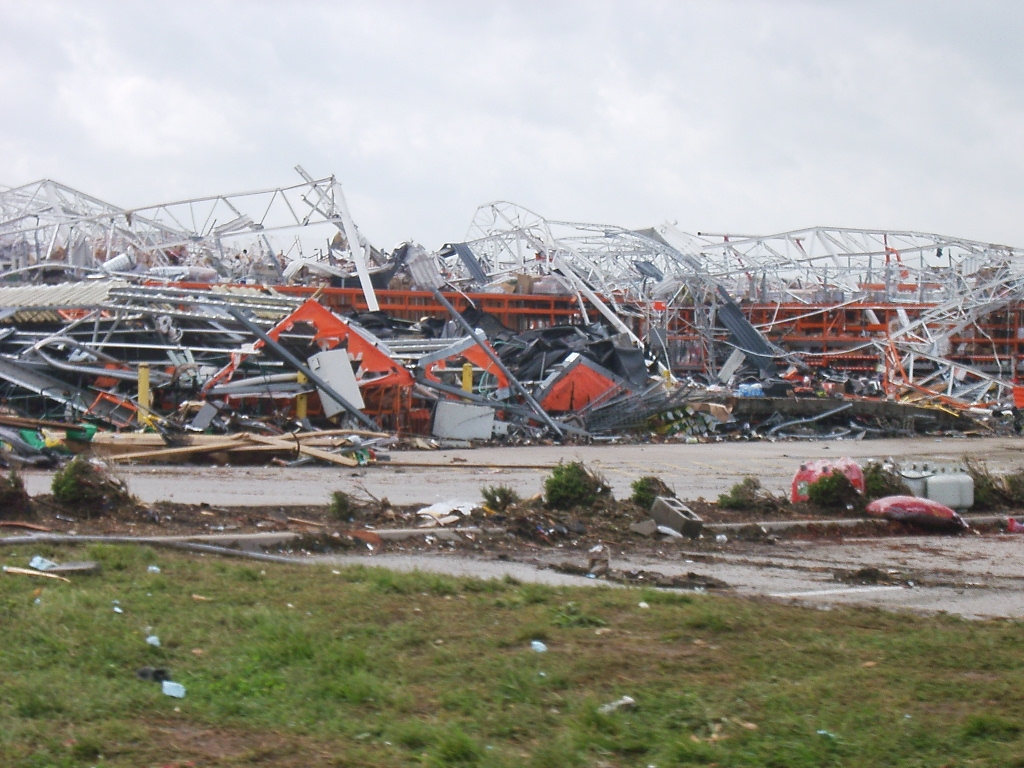
On Sunday, May 22, around 5:30 p.m., the worst single tornado strike in U.S. history since 1950 mowed a path through Joplin, Missouri that was at least a half mile wide and six miles in length. Over 100 were killed and many have not yet been located. And since my brother and his family lives in Joplin I drove there on Tuesday.
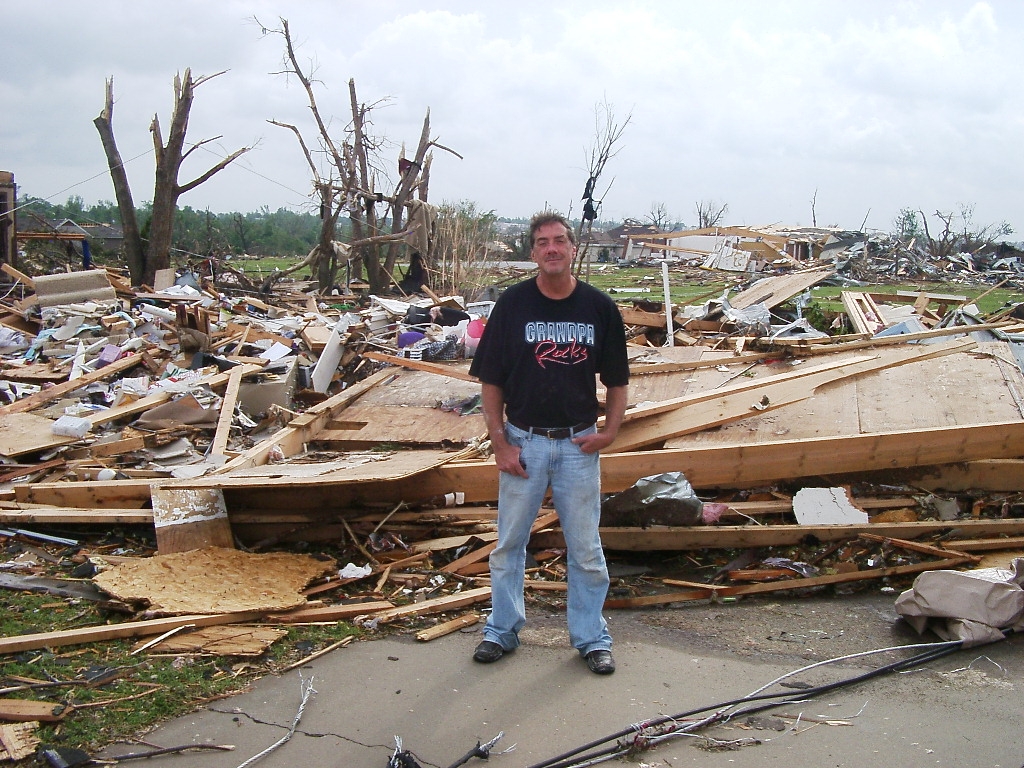
I arrived in time to hear the story of the past 48 hours from my brother, Rod Carson.
My brother was one of the fortunate ones; his house is outside of town and was not in

Rod Carson in front of his former office
the path of the F5 tornado. He has well water so didn’t have to worry about the must boil water alert for the rest of Joplin. And he enjoyed electricity, something many other citizens did not have.
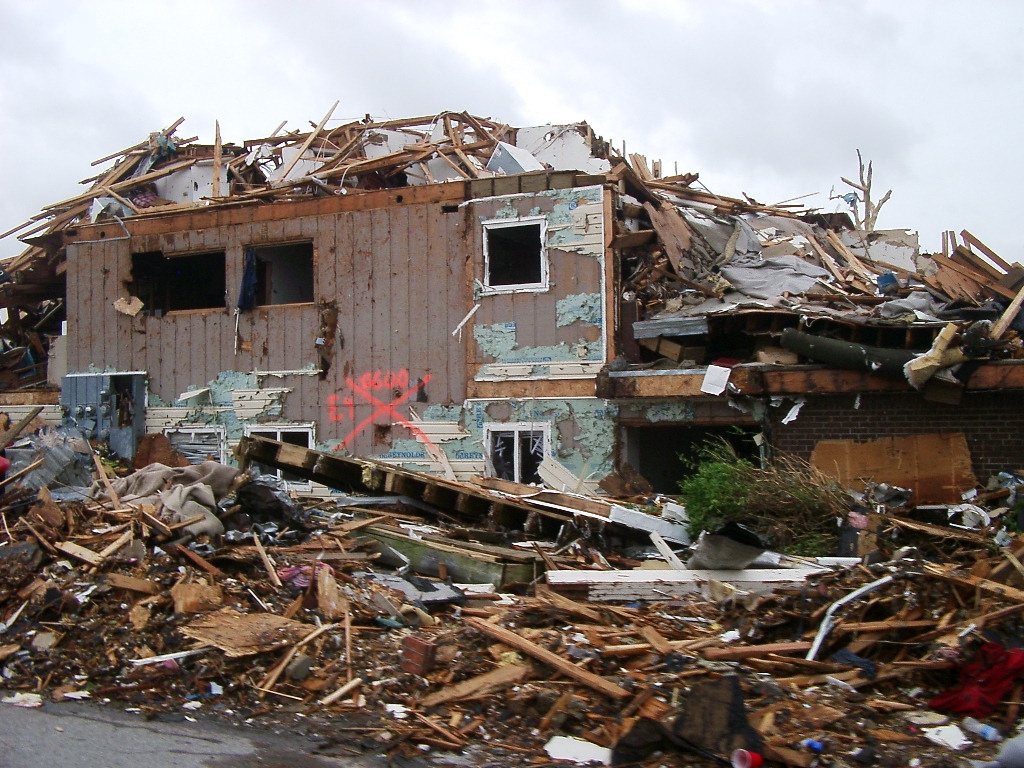
 The authorities pleaded with people to not go to or return to the disaster zone that Sunday night. So after a fitful night and with first light of day on Monday, my brother and his office administrator found a way toward his Chiropractic office. They knew it was a part of the kill zone and so were not hopeful. Their expectation was confirmed: His office was entirely demolished. What they were able to do was to remove the computers and hard drives, in spite of the broken natural gas lines. Like angels, half a dozen guys from an unknown church asked if they needed help, which they did. They garbage bagged all patient records and passed them, as a bucket brigade, out of the rubble into the back of a truck. The files are now sleeping quietly in my brother’s front room. The helpers left as soon as they appeared without an opportunity to thank them.
The first responders were awesome. Police and Firemen and their vehicles and equipment arrived from every 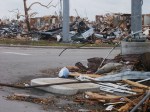 municipality on the Missouri and Kansas side. Fantastic coordination from Joplin authorities established perimeters and a coordinated search and rescue. By the end of Tuesday, and a curfew that went into place at 9:00 p.m., the search and rescue dogs were withdrawn and the so called “cadaver” dogs took their place – looking for the dead. At that point the security around the disaster site was well established. Wednesday morning would bring even stricter security.
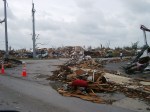 By Wednesday only official workers, law enforcement, utilities companies, and heavy equipment operators were permitted access. Residents and those with commercial offices were required to obtain a permit to return to the disaster area. There were four such permit stations around the perimeter of the disaster zone. My brother and I obtained ours and traveled to the remains of his office. We sorted through the debris, sometimes sharp and hazardous. And we salvaged a few things of value that could be used. When we pulled away from that location it would be the last time my brother would go there. There was nothing to which a person could return.
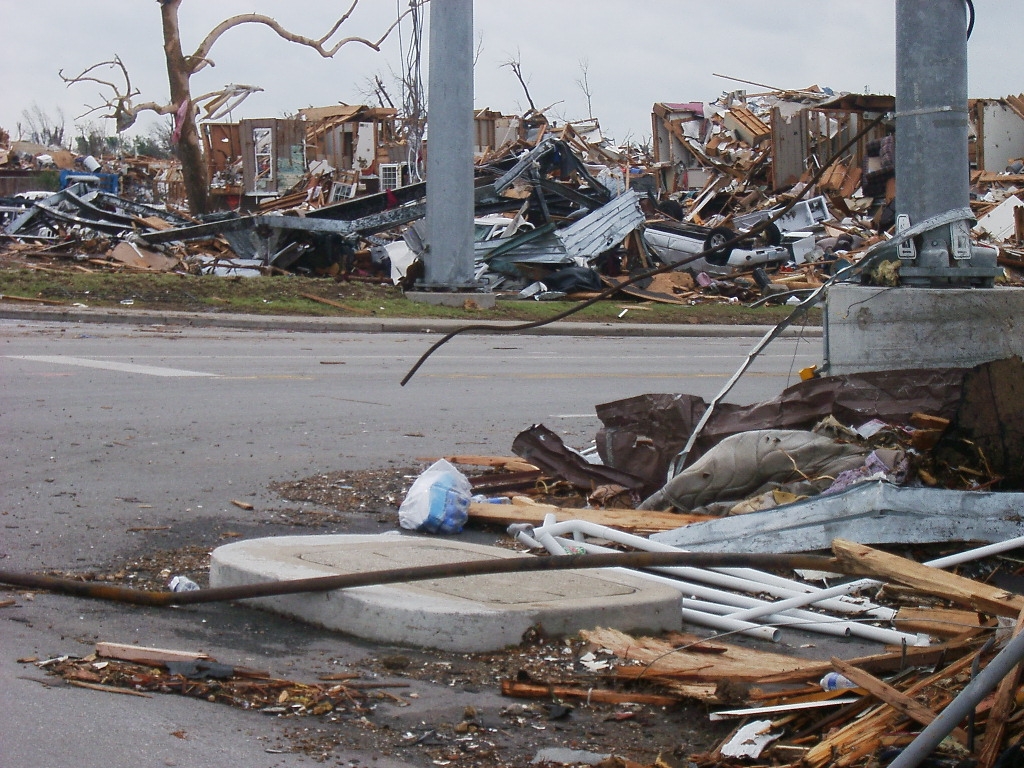
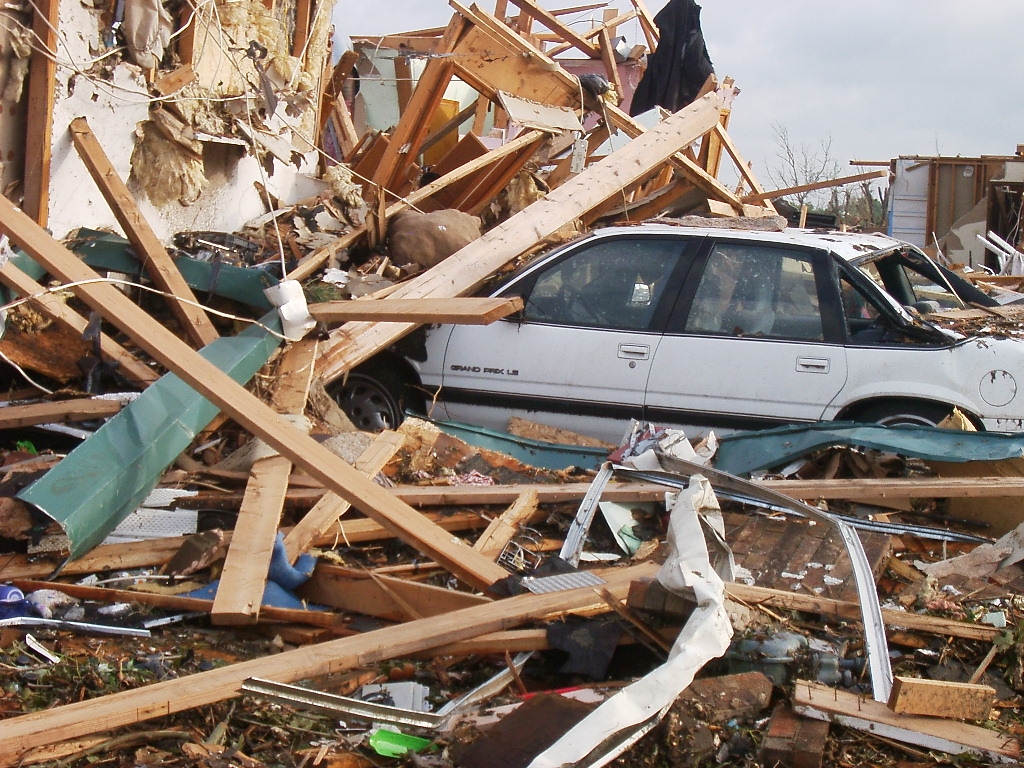
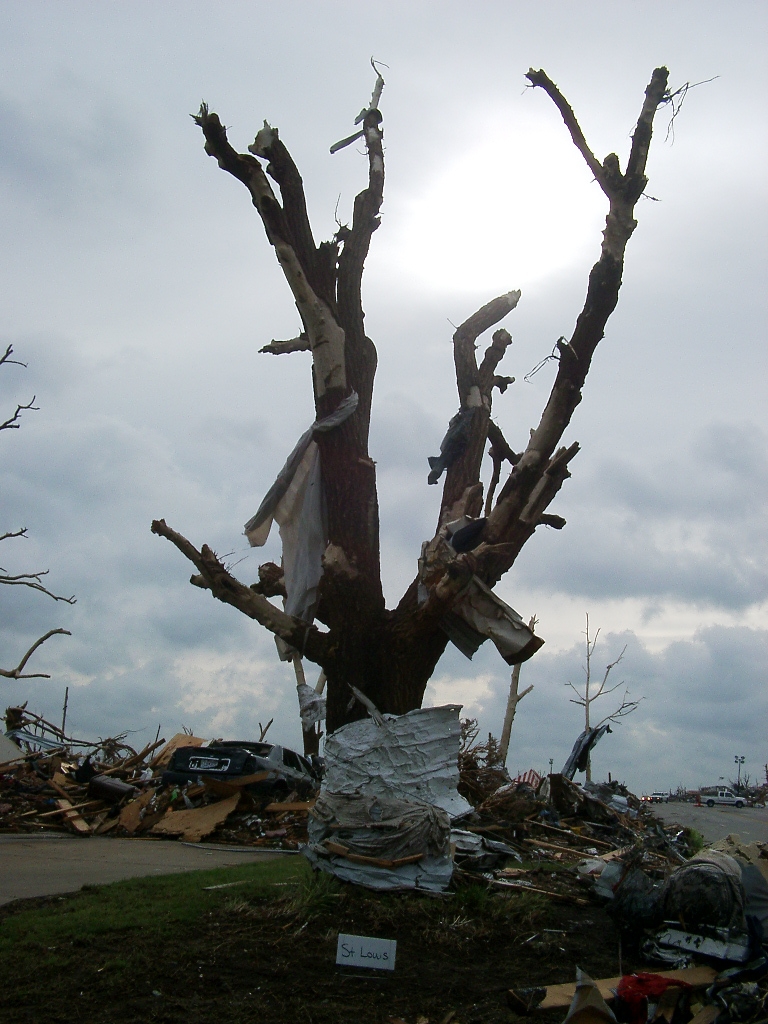
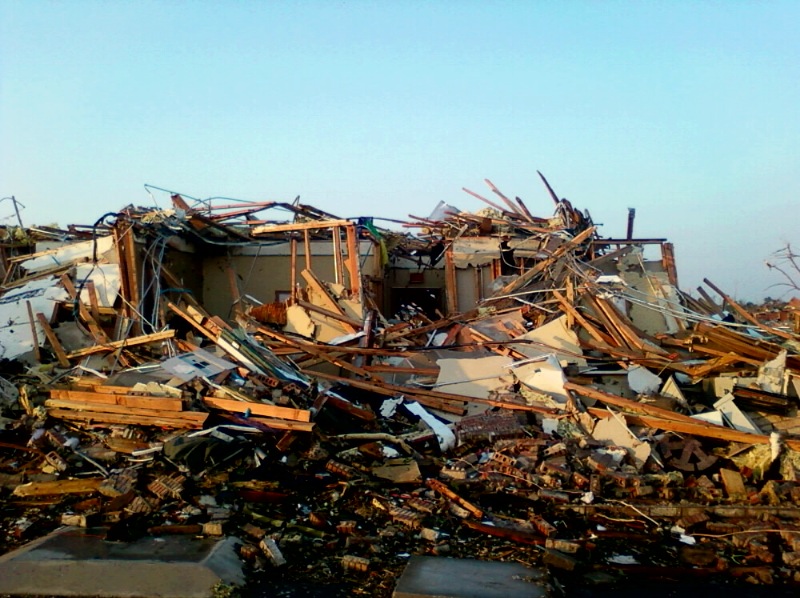
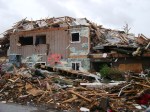
The difference between a Katrina or flood and this is simple: There is nothing left. There is nothing to repair, muck out or make habitable.

Hiroshima without the radiation: It's absolutely silly to think about work groups or volunteer church groups going to do anything. That won't happen, not in the kill zone. The only thing that will happen is this: Over months heavy equipment operators will move the debris to dump trucks and haul it away. Someday, then, people might build on it again.
The only place where volunteers could help would be on the perimeter of the kill zone. Because tornadoes are uncanny in their surgical cut, the edge of the disaster zone is clearly delineated. The houses outside of the zone are intact, though damaged by high wind and buffeted with flying debris that fills their yards. A mile away a neighborhood looks like nothing ever happened. So is the striking life of the tornado.
 Volunteers were most helpful in shelters for the many homeless. All the motels were full; not even the responders could easily find a room. There were distribution centers established to provide essentials to people who needed them – clothing, personal hygiene items, food, water. Because the high school and two nearby schools were demolished they could not be used. I know for certain that North Joplin Middle School gym was used for distribution. Thank goodness that the high school seniors and their families were not at the high school celebrating on Sunday night, but rather at the community college which was not affected. Some were leaving the college and heading into Joplin when the tornado arrived.
Like dominoes, the needs multiply following the tragedy. If your home is destroyed, you have to secure temporary 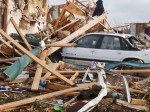 shelter. The kind you find depends on whether you have family to take you in, money, or access to a shelter. If you have a job, you have to see if your business is still existing and functioning. If not, you’re also unemployed. If you are a businessman, like my brother, you have to find a new office – which we did Wednesday afternoon. More than one person showed up as did we in front of buildings that had “for lease” signs out front.
St. Johns Hospital was severely damaged and many died during the tornado. In addition, some of the ones moved across town to Freeman hospital didn’t survive the move. Because they had to do crisis triage, some hopeful ones were treated while others were left to die on the parking lot. Medical personnel poured in from many other communities.
The governor made an appearance, as will the president. These are largely ceremonial appearances, meant to communicate support and solidarity. In times like these all that matters.
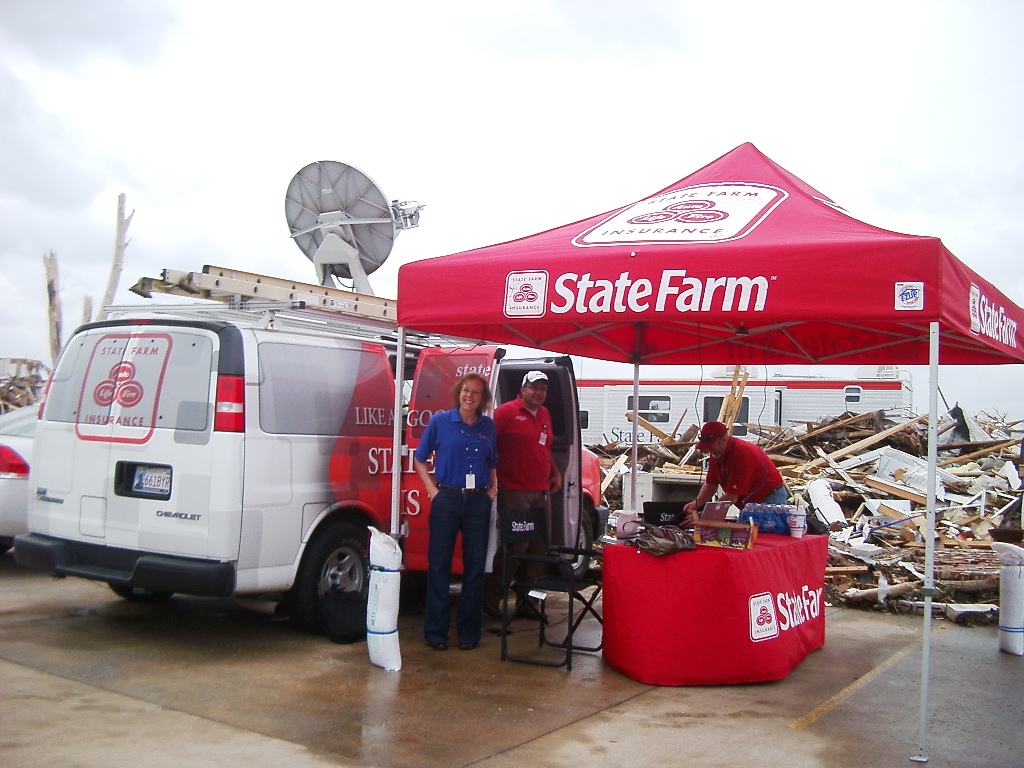
 I talked to an insurance adjuster who had set up shop to help people needing to make claims and he talked about some other similar situations. He told me how amazed he was to see everything turned to splinters and then, six months later, the ground be cleared, and then a few years later new construction taking place. It seems unimaginable just looking at the rubble.
So, great thanks to first responders who are the best. Thanks to neighbors and friends who support one another. Thanks to agencies that make it their business to be there when the worst happens.
Our consolation for those who have lost dear ones or don’t know where they are. Our consolation goes to those who had everything taken from them and have no way to replace any of it. Our consolation goes to those who have no way to support themselves and can’t imagine a future.
The shock of this time will pass, like it always does, and beyond rescue and recovery there will be new life on the other side. The other side, however, will be different. Because nothing stays the same after something like this.

The Indomitable Tree of Life
 Just thirteen short years ago, in Lewinsky spring, just as a certain president was going underground, so were the Cicadas. Their rising up in the thawing of spring, this cyclical arch of springing forth from suspended animation, led to the surging song of males that would lure sacrificial females to their job, dropping like, well, cicadas once their eggs were laid.